Featured
The Definitive Guide to Creating a Personalized Route to ...
Unknown Facts About Types of Relief Programs You Need to ...

The Best Strategy To Use For How How Debt Impacts Mental ...
Little Known Facts About Rebuilding Personal Credit Rating After Loan Forgiveness for Healthcare Workers in Rural Areas.
Table of Contents
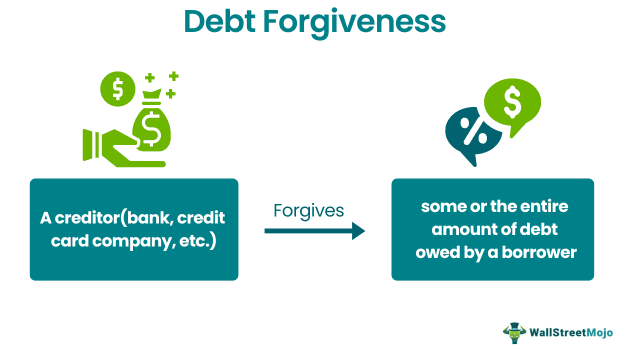
That maximizes money in the brief term, and you might have 3 to four years to save toward the settlement quantity. Very damaging to credit history, mainly as a result of missed out on settlements and an adverse "settled" mark that might remain on your credit record for approximately seven yearsMay be only option if various other choices (financial obligation loan consolidation, equilibrium transfer bank card, financial obligation forgiveness) aren't possibleTypically needs a fee to the 3rd party, which can counter some or every one of the savings from financial debt settlementMay aid you stay clear of personal bankruptcy if you've missed several paymentsNot all financial institutions deal with financial debt settlement companies Financial debt forgiveness may be ideal for you if you are experiencing a financial difficulty that makes it virtually impossible to pay for your debt equilibriums.
With a DMP, you make one month-to-month repayment to the credit counseling agency. Those funds are after that dispersed to financial institutions of your unsafe financial obligations, such as charge card and installment car loans. The company functions with your creditors to lower rate of interest rates or forgo fees, yet some lenders may decline such concessions.
It can aid you pay down financial obligation if you're able to safeguard a financing price that's lower than the average rate of the accounts you're settling. You must refrain from racking up debt on those recently cleared accounts or your financial debt could grow even greater.
That provides you plenty of time to get rid of or considerably reduce your equilibrium while making interest-free payments.
The Best Strategy To Use For Pricing Transparency to Avoid
You may require it if your creditor or a collection agency ever before attempts to gather on the financial obligation in the future. When a lending institution forgives $600 or more, they are needed to send you Form 1099-C.
Financial debt forgiveness or settlement virtually always harms your credit rating. Anytime you work out a debt for much less than you owe, it may look like "cleared up" on your credit record and influence your credit history for seven years from the day of negotiation. Your credit report can likewise drop considerably in the months leading to the forgiveness if you fall behind on repayments.
Things about Is It Worthwhile vs DIY Methods
This situation frequently results from underreporting income, not submitting returns on time, or inconsistencies discovered during an IRS audit. The effects of gathering tax financial obligation are severe and can include tax obligation liens, which give the IRS a legal case to your property as safety and security for the financial obligation.
Greater passion prices on readily available credit score. Earnings and Bank Accounts internal revenue service can impose (take) earnings and checking account to please the financial obligation. Minimized revenue and interruption of crucial economic processes. Building Seizure In extreme cases, the internal revenue service can seize and sell building to cover the financial debt. Loss of useful assets and potential displacement.
Social Stigma Facing legal activity from the Internal revenue service can lug social stigma. Work Opportunities An inadequate credit history score due to tax financial obligation can restrict work possibilities. Federal government Advantages Tax obligation financial debt might impact eligibility for federal government advantages, such as Social Security and Medicaid.
All About Steps for Contact a Counselor Today
The OIC takes into consideration a number of factors, including the taxpayer's income, costs, asset equity, and capability to pay. Effectively bargaining an OIC can be intricate, requiring a detailed understanding of the internal revenue service's guidelines and a solid debate for why your offer straightens with your ability to pay. It is essential to note that not all applications are approved, and the process needs comprehensive economic disclosure.
The internal revenue service analyzes your general economic situation, including your income, costs, property equity, and ability to pay. You need to additionally be existing with all declaring and repayment demands and not remain in an open bankruptcy case. The IRS likewise considers your conformity history, evaluating whether you have a record of prompt filing and paying taxes in previous years.
The 10-Second Trick For Short-Term Impact of Your Credit Rating
The application procedure for a Deal in Compromise entails a number of detailed steps. First, you need to finish and send internal revenue service Type 656, the Deal in Concession application, and Kind 433-A (OIC), a collection information statement for individuals. These types require detailed financial info, consisting of details regarding your earnings, financial debts, costs, and assets.
Back taxes, which are unpaid tax obligations from previous years, can significantly increase your overall IRS financial debt if not addressed promptly. This financial debt can build up rate of interest and late payment charges, making the original quantity owed a lot larger gradually. Failing to repay taxes can cause the internal revenue service taking enforcement actions, such as issuing a tax obligation lien or levy against your home.
It is essential to address back taxes immediately, either by paying the full quantity owed or by arranging a payment plan with the internal revenue service. By taking positive actions, you can prevent the buildup of extra rate of interest and fines, and avoid more hostile collection activities by the internal revenue service.
One usual reason is the belief that the taxpayer can pay the complete quantity either as a round figure or via a repayment strategy. The IRS likewise takes into consideration the taxpayer's earnings, costs, asset equity, and future earning possibility. If these elements indicate that the taxpayer can manage to pay greater than the supplied amount, the internal revenue service is most likely to deny the deal.
The 6-Minute Rule for Initial Consequences on Loan Forgiveness for Healthcare Workers in Rural Areas Choices
It is important to provide accurate and complete details in your application and to seek advice from with a tax obligation expert to boost the chances of approval. Handling internal revenue service debt can be intricate and challenging. Tax obligation experts, such as Certified public accountants, tax lawyers, or registered agents, can offer indispensable support. They have the expertise to navigate the complexities of tax obligation law and internal revenue service treatments.

Table of Contents
Latest Posts

The Definitive Guide to Creating a Personalized Route to Relief

Unknown Facts About Types of Relief Programs You Need to Know About

Starting Consultation and What to Ask - Truths
More
Latest Posts
The Definitive Guide to Creating a Personalized Route to Relief
Unknown Facts About Types of Relief Programs You Need to Know About
Starting Consultation and What to Ask - Truths