Featured
The Definitive Guide to Creating a Personalized Route to ...
Unknown Facts About Types of Relief Programs You Need to ...

The Best Strategy To Use For How How Debt Impacts Mental ...
Table of Contents
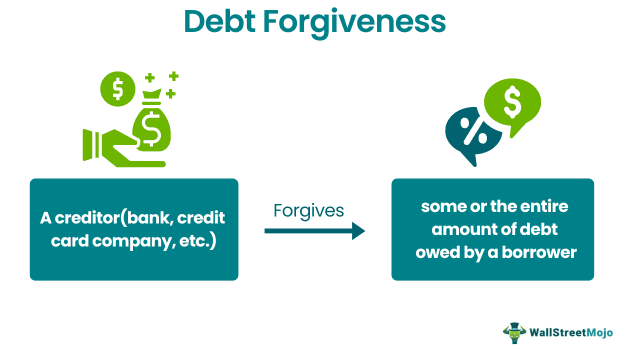
That liberates cash in the short-term, and you might have three to 4 years to conserve towards the settlement amount. Extremely dangerous to credit history, mainly due to missed out on payments and a negative "resolved" mark that can remain on your debt report for as much as 7 yearsMay be only choice if other choices (debt consolidation, balance transfer credit rating cards, financial debt forgiveness) aren't possibleTypically calls for a cost to the third celebration, which might offset some or all of the savings from debt settlementMay aid you prevent bankruptcy if you've missed out on numerous paymentsNot all lenders collaborate with debt negotiation companies Financial obligation mercy may be appropriate for you if you are experiencing an economic challenge that makes it virtually difficult to pay down your financial debt balances.

With a DMP, you make one regular monthly payment to the credit counseling agency. Those funds are then distributed to creditors of your unsecured financial debts, such as credit history cards and installment lendings. The company collaborates with your lenders to decrease rates of interest or forgo fees, yet some financial institutions might reject such giving ins.
It can help you pay down financial debt if you're able to protect a car loan price that's lower than the ordinary price of the accounts you're combining. You must abstain from racking up debt on those newly gotten rid of accounts or your debt can expand also greater.
These cards typically supply a 0% interest introductory duration of approximately 21 months. That offers you lots of time to eliminate or substantially minimize your balance while making interest-free repayments. For some individuals facing impossible debt, personal bankruptcy may be the only method to stop collection proceedings and legitimately fix their financial obligations.
What Does Does Debt Forgiveness Make Sense for Most People Mean?
You may need it if your financial institution or a collection agency ever before attempts to gather on the financial obligation in the future. When a lending institution forgives $600 or even more, they are needed to send you Type 1099-C.
Debt forgiveness or negotiation almost constantly injures your debt. Anytime you resolve a financial debt for much less than you owe, it may look like "worked out" on your credit report and affect your credit report for seven years from the date of negotiation. Your credit can likewise go down significantly in the months resulting in the forgiveness if you fall behind on settlements.
Little Known Facts About Actionable Advice Following I’m Not Behind on Payments Yet. Can I Still Enroll in a Debt Relief Program? : APFSC.
Tax financial obligation compromise programs Tax financial obligation happens when the amount of tax obligations you owe exceeds what you have paid. This situation commonly arises from underreporting income, not submitting returns on time, or discrepancies located during an internal revenue service audit. The effects of building up tax obligation financial obligation are severe and can include tax obligation liens, which give the internal revenue service a legal insurance claim to your home as protection for the financial debt.
Higher passion rates on offered credit history. Earnings and Bank Accounts IRS can levy (confiscate) earnings and savings account to satisfy the financial obligation. Reduced income and disruption of vital monetary procedures. Home Seizure In extreme instances, the internal revenue service can confiscate and market residential or commercial property to cover the financial debt. Loss of valuable assets and potential variation.
Social Stigma Facing legal action from the Internal revenue service can lug social stigma. Employment Opportunities An inadequate credit history rating due to strain debt can restrict employment possibilities. Government Benefits Tax obligation debt may influence qualification for federal government advantages, such as Social Security and Medicaid.
Fascination About Accreditation Requirements from Competing I’m Not Behind on Payments Yet. Can I Still Enroll in a Debt Relief Program? : APFSC Organizations
The OIC considers a number of aspects, including the taxpayer's income, costs, asset equity, and ability to pay. Successfully working out an OIC can be complex, needing a thorough understanding of the internal revenue service's standards and a solid disagreement for why your deal straightens with your capacity to pay. It is very important to keep in mind that not all applications are accepted, and the process needs thorough financial disclosure.
The internal revenue service assesses your general financial scenario, including your earnings, costs, asset equity, and ability to pay. You have to additionally be current with all filing and repayment requirements and not be in an open bankruptcy proceeding. The IRS likewise considers your compliance history, examining whether you have a document of timely filing and paying tax obligations in previous years.
An Unbiased View of Creating Your Financial Recovery Plan
The application procedure for a Deal in Compromise entails numerous in-depth actions. First, you should complete and send internal revenue service Kind 656, the Offer in Concession application, and Kind 433-A (OIC), a collection info declaration for people. These types need detailed economic information, consisting of information regarding your income, debts, expenses, and assets.
Back taxes, which are unpaid taxes from previous years, can considerably increase your total internal revenue service debt otherwise addressed quickly. This debt can build up interest and late settlement fines, making the original amount owed much bigger in time. Failing to repay taxes can lead to the internal revenue service taking enforcement actions, such as releasing a tax obligation lien or levy against your home.
It is crucial to attend to back tax obligations as quickly as feasible, either by paying the sum total owed or by preparing a payment plan with the internal revenue service. By taking proactive actions, you can prevent the accumulation of extra interest and fines, and protect against more aggressive collection activities by the internal revenue service.
One typical reason is the belief that the taxpayer can pay the full amount either as a round figure or via a repayment plan. The internal revenue service also takes into consideration the taxpayer's earnings, expenses, possession equity, and future earning possibility. If these elements indicate that the taxpayer can pay for to pay even more than the supplied quantity, the IRS is most likely to reject the deal.
Not known Incorrect Statements About Real Stories from Individuals Who Achieved Relief
Dealing with Internal revenue service financial debt can be intricate and overwhelming. Tax specialists, such as Certified public accountants, tax obligation attorneys, or signed up agents, can offer vital assistance.

Table of Contents
Latest Posts

The Definitive Guide to Creating a Personalized Route to Relief

Unknown Facts About Types of Relief Programs You Need to Know About
Starting Consultation and What to Ask - Truths
More
Latest Posts
The Definitive Guide to Creating a Personalized Route to Relief
Unknown Facts About Types of Relief Programs You Need to Know About
Starting Consultation and What to Ask - Truths